
AI Collaborative: Wildfires (AIC:W)
Leveraging advances in AI and the power of deep collaboration to improve wildfire resilience
Introduction
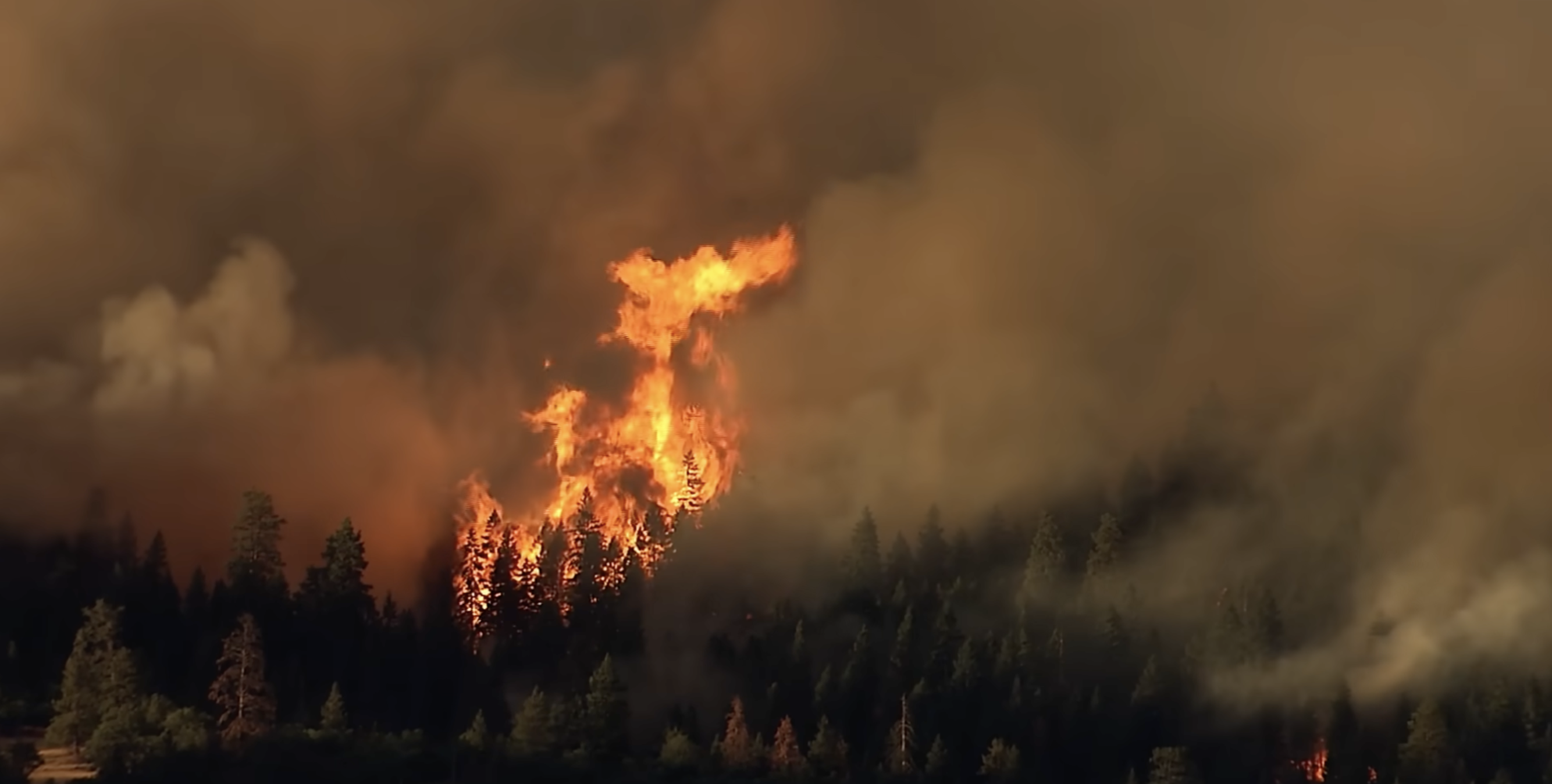
The AI Collaborative: Wildfires (AIC:W) is a global, multi-partner initiative catalyzed by Google.org to accelerate the use of artificial intelligence, Earth observation, and advanced analytics to improve how the world prepares for, responds to, and recovers from wildfires.
Wildfires are increasing in frequency, intensity, and complexity due to climate change, land-use shifts, and expanding human development in fire-prone landscapes. At the same time, the tools and data needed to manage these risks remain fragmented, spread across institutions, geographies, and technical domains. The AIC:W addresses this challenge by bringing together leading nonprofits, research institutions, government agencies, and private sector partners to build a more connected, interoperable, and decision-focused wildfire intelligence ecosystem.
Through coordinated funding, shared technical development, and cross-sector collaboration, the AIC:W is working to:
- Enable earlier detection of wildfire ignitions
- Improve prediction of fire behavior and risk
- Deliver actionable insights to decision-makers in real time
- Strengthen community resilience and ecosystem health
At its core, the Collaborative is not just advancing individual technologies — it is building an integrated system where data, models, tools, and people work together to reduce the impacts of catastrophic wildfire events and promote good fire.
How the Collaborative Works
The AIC:W is structured around four interconnected workstreams. Each workstream addresses a critical component of the wildfire management lifecycle, while also contributing to a shared, end-to-end system:
Together, these workstreams form a pipeline that transforms raw data into meaningful, real-world impact.
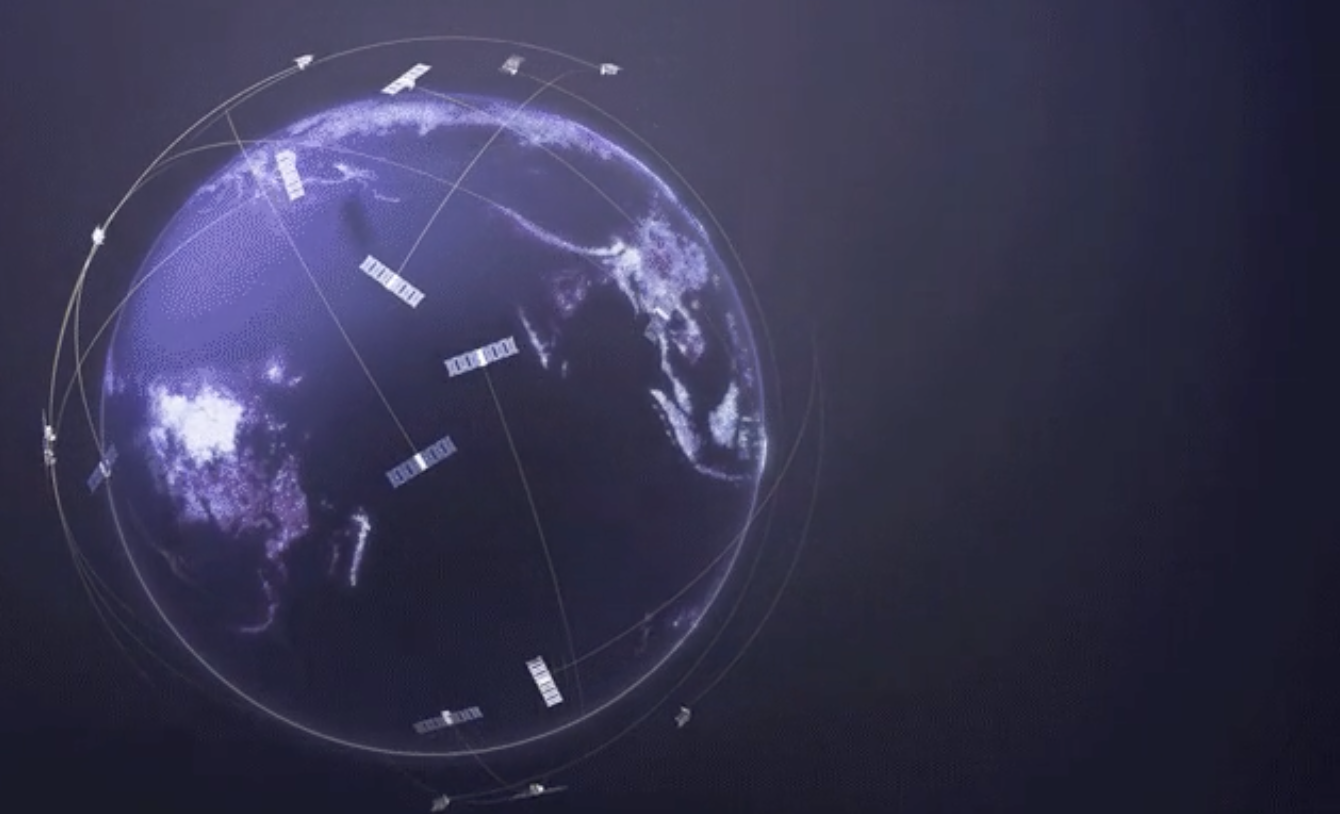
Workstream 1: Earth Observation Systems & Data Integration
Scaling wildfire detection through a global, AI-ready data foundation
Workstream 1 focuses on building the data backbone of the Collaborative by integrating satellite, airborne, and in-situ observations into a unified, interoperable system.
A core effort is the development of a federated satellite data system — a coordinated network of public and commercial Earth observation systems that delivers near real-time fire detection and monitoring at unprecedented spatial and temporal resolution.
Key priorities include:
- Harmonizing data from multiple satellite systems (e.g., FireSat, NASA FIRMS, commercial providers)
- Developing standardized formats, metadata, and quality controls
- Delivering both:
- Low-latency operational data for responders
- AI-ready datasets for modeling and research
- Ensuring interoperability across platforms and global accessibility
Why it matters
Timely, reliable data is the foundation for everything that follows. By improving how wildfire data is collected, integrated, and shared, Workstream 1 enables faster detection, better situational awareness, and stronger downstream modeling and decision-making.
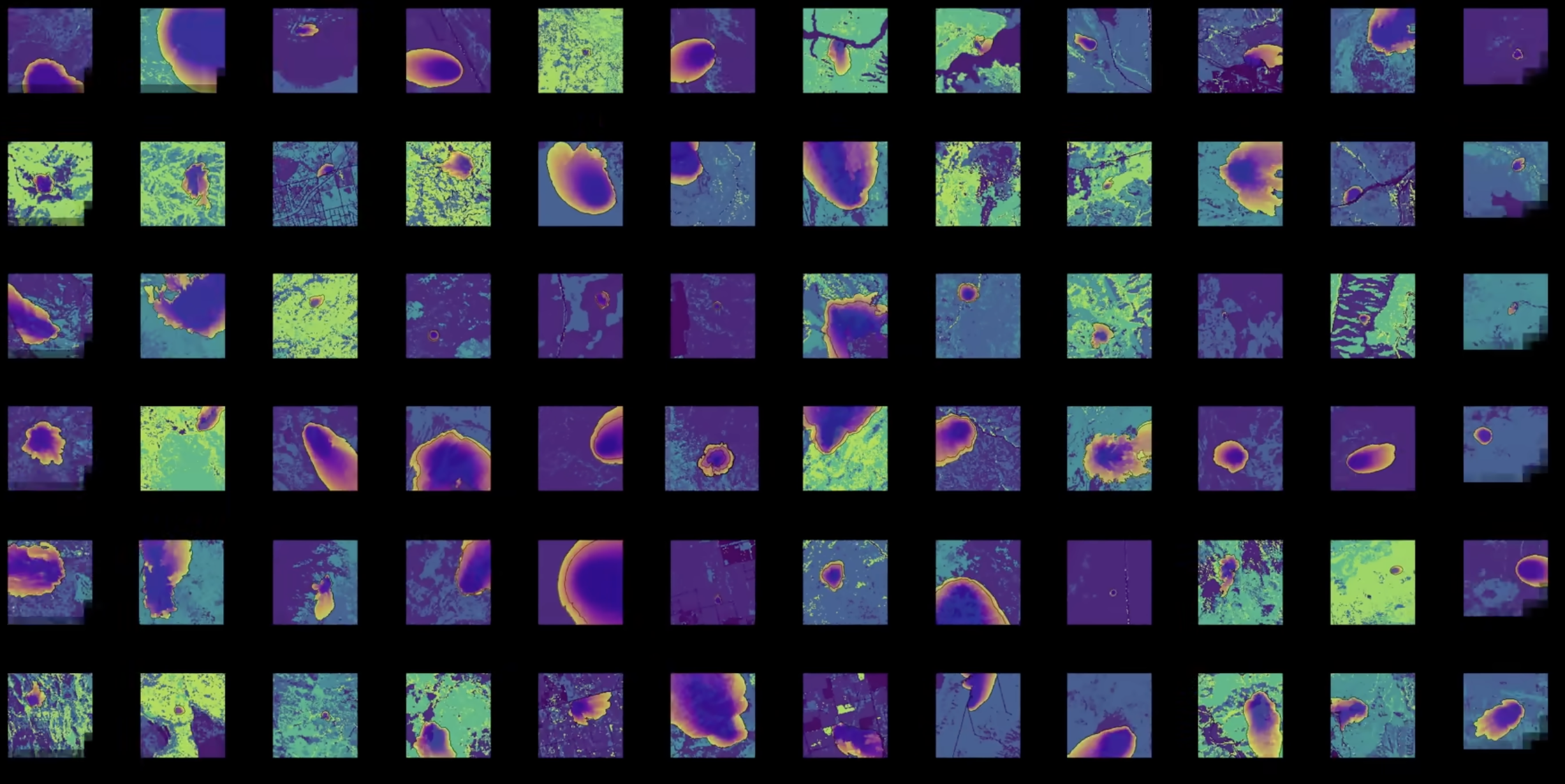
Workstream 2: Fire Behavior Modeling & Prediction
Improving wildfire prediction by modernizing model inputs and integrating AI
Workstream 2 advances the science and application of wildfire modeling by improving the inputs, structure, and interoperability of fire behavior models and evaluating fire effects.
Today's models are often limited by outdated or incomplete data, especially around fuels and weather. This workstream addresses those gaps by integrating AI and new Earth observation data into modeling workflows.
Key priorities include:
- Developing dynamic, AI-enhanced fuel datasets
- Improving weather inputs and downscaling techniques
- Integrating EO data from Workstream 1 into modeling pipelines
- Advancing hybrid physics-AI fire spread models
- Establishing global benchmarking and validation frameworks
- Estimating carbon emissions avoided by reducing fire severity
Why it matters
Better inputs lead to better models, and better models lead to more accurate predictions of fire behavior, spread, and risk. These improvements directly support decision-making for suppression, evacuation, planning, and long-term resilience.
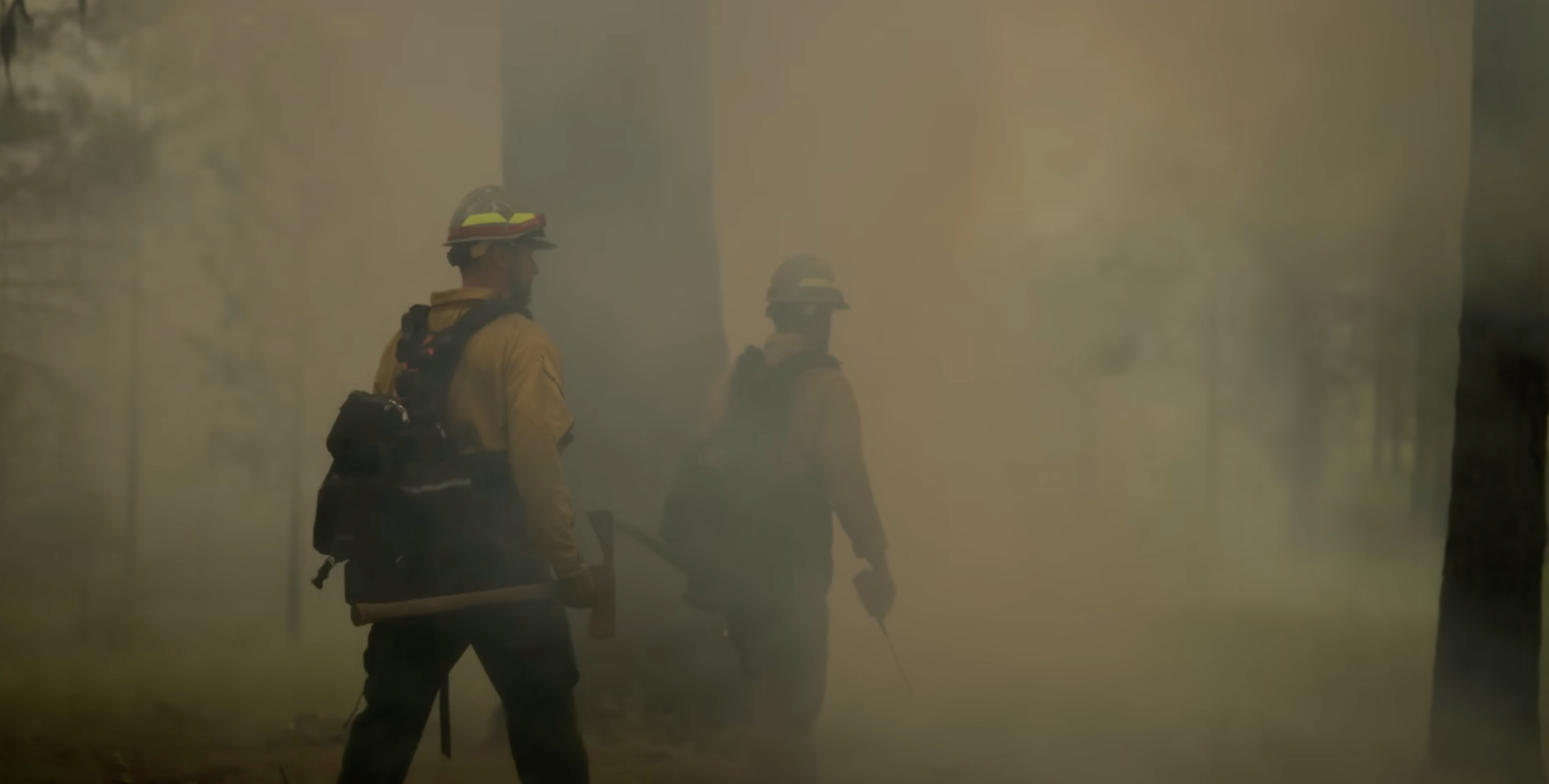
Workstream 3: Decision Support Tools & User Applications
Turning data and models into actionable insights for real-world use
Workstream 3 ensures that the outputs of Workstreams 1 and 2 are translated into tools that are usable, trusted, and impactful for decision-makers on the ground.
This includes firefighters, land managers, policymakers, and communities — each with different needs, constraints, and levels of technical capacity.
Key priorities include:
- Designing user-centered tools and dashboards tailored to different audiences
- Integrating data and model outputs into operational platforms
- Developing AI-enabled features (e.g., natural language queries, automated reporting)
- Supporting tool adoption, training, and trust-building
- Advancing accessibility across low-connectivity and high-risk environments
Why it matters
Even the best data and models have limited impact if they are not accessible or usable. Workstream 3 bridges the gap between technical innovation and real-world decision-making, ensuring that insights lead to action.
Workstream 4: Scaling Wildfire Ecosystem Impact
Strengthening collaboration, closing gaps, and scaling impact
Workstream 4 focuses on the broader wildfire ecosystem, ensuring that the right partners, resources, and coordination mechanisms are in place to maximize the impact of the Collaborative.
Wildfire management is inherently complex and fragmented. This workstream addresses those challenges by mapping the ecosystem, identifying gaps, and aligning stakeholders.
Key priorities include:
- Identifying critical gaps in the wildfire ecosystem
- Mobilizing financial, technical, and institutional resources
- Advancing global coordination across regions and sectors
- Ensuring the sustainability of the AIC:W
Why it matters
No single organization can solve the wildfire crisis alone. Workstream 4 ensures that the Collaborative functions as a cohesive system — aligning efforts, reducing duplication, and unlocking new opportunities for scale and sustainability.
A Collaborative Approach to a Global Challenge
What makes the AIC:W unique is not just its technical ambition, but its collaborative model.
By bringing together diverse partners, each contributing specialized expertise, data, and networks, the Collaborative creates value that no single entity could achieve alone. This approach enables:
- Faster innovation through shared knowledge
- Greater impact through coordinated action
- Broader reach across geographies and fire regimes